The SPINE-X Approach to TMJ disorder
Temporomandibular joint dysfunction is one of the most undertreated conditions in musculoskeletal care — not because effective treatment doesn't exist, but because the condition is frequently evaluated in isolation, with the jaw assessed as if it exists independently of the cervical spine and postural system that profoundly influence its mechanics.
At SPINE-X, TMJ dysfunction is assessed and treated as part of the full structural system. In many cases, the interventions that produce the most significant and lasting improvement in jaw symptoms are not directed at the jaw at all — they are directed at the upper cervical spine and the postural foundation that influences jaw mechanics.
Our Assessment of TMJ Dysfunction
Before any treatment begins, we need to understand the specific structural picture of each patient's TMJ presentation:
Upper cervical assessment: C1 and C2 alignment is evaluated with particular care, because upper cervical misalignment directly alters the position of the skull base, which houses the TMJ sockets. C1 rotation, in particular, can create asymmetric TMJ socket positioning that drives unilateral TMJ loading and symptoms.
forward head posture measurement: The degree of FHP is measured using lateral photography, because the relationship between FHP and TMJ dysfunction is mechanically direct — forward head translation causes mandibular retraction and posterior joint compression.
Jaw mechanics assessment: Jaw opening distance (normal 35–50 mm), opening pattern (straight or deviated), and the presence, timing, and character of joint sounds are assessed and documented.
Masticatory muscle assessment: The masseter, temporalis, and pterygoid muscles are assessed for tenderness, tone, and asymmetry. Muscle hypertonicity is almost universally present in TMJ dysfunction and contributes both to joint compression and to the facial pain component.
Occlusal (bite) assessment: While dental occlusal management is outside our scope of practice, we assess whether bite discrepancies are contributing to TMJ loading and coordinate with dental practitioners when relevant.
Cervical range of motion and muscle assessment: The sternocleidomastoid, suboccipital muscles, and other cervical structures that share neurological territory with the TMJ are assessed for dysfunction.
The Structural Treatment Protocol
Upper Cervical Correction
In patients where upper cervical misalignment is identified as a contributing factor — which is the majority of our TMJ cases — specific upper cervical correction is the primary intervention.
Upper cervical adjustments are the most precise and gentle techniques we use. C1 and C2 corrections require careful assessment of the exact direction of misalignment and the application of highly specific, low-force maneuvers to restore normal position and motion. These are fundamentally different from general cervical manipulation.
Many patients notice changes in jaw symptoms — sometimes within hours — following upper cervical correction. This is not surprising given the neurological and mechanical connections between C1-C2 and the TMJ region.
Forward Head Posture Correction
For TMJ patients with significant FHP, the broader FHP correction program is initiated alongside or following upper cervical correction. As the head gradually returns toward a more appropriate position above the shoulders, the mandible decompresses posteriorly and the loading pattern on the TMJ changes.
This is a slower process than upper cervical correction — taking weeks to months — but it addresses the most fundamental mechanical driver of FHP-related TMJ dysfunction.
Masticatory Muscle Treatment
The chronically hypertonic masseter and temporalis muscles are addressed through targeted intraoral and extraoral soft tissue therapy. Releasing the tension in these muscles reduces joint compression and provides significant symptom relief, while also allowing the jaw to rest in a more appropriate position.
Trigger points in the masseter are a primary source of facial and jaw pain, and their treatment is one of the more immediately effective interventions for pain relief in TMJ dysfunction.
Cervical Muscle Normalization
The sternocleidomastoid, upper trapezius, and suboccipital muscles — which are almost uniformly hypertonic in patients with FHP and TMJ dysfunction — are treated to reduce the cervical tension that contributes to the overall neurological amplification of TMJ symptoms.
Coordination with Dental Care
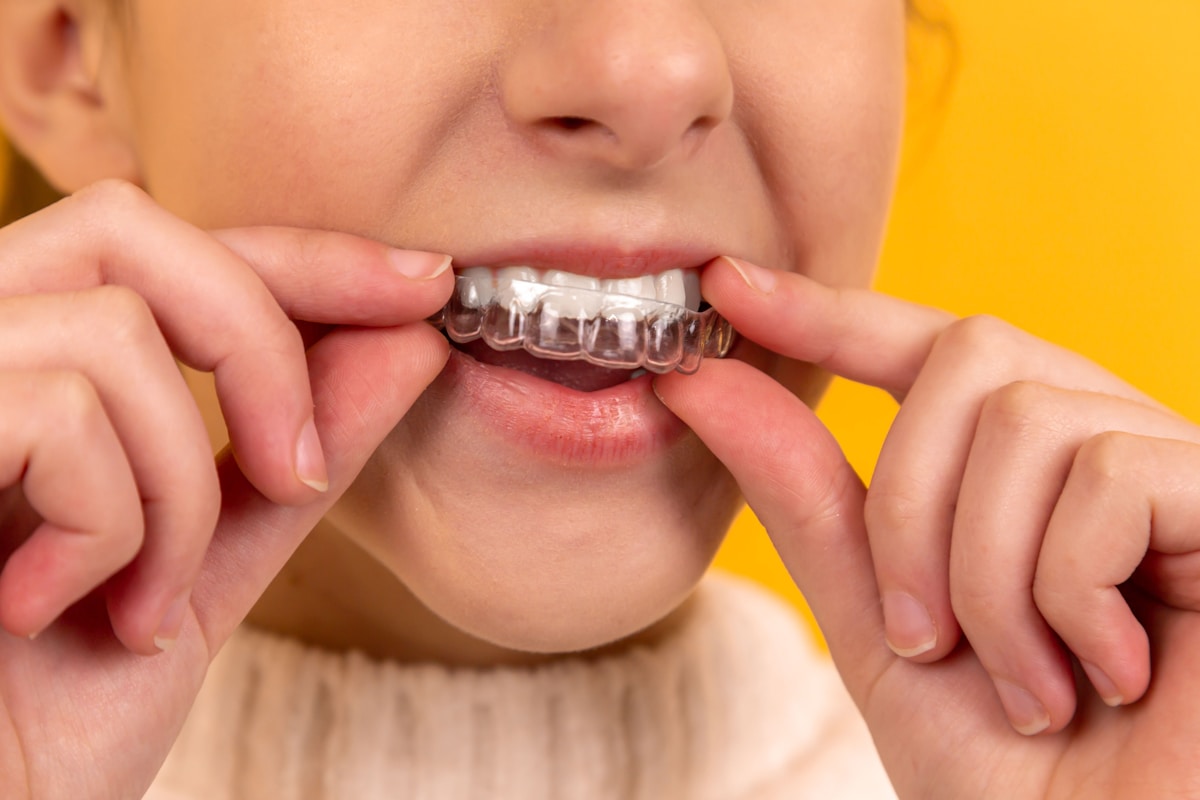
For patients with significant occlusal components (bite discrepancies, bruxism, disc displacement), we coordinate with dental professionals for splint therapy and occlusal management. The most effective outcomes for complex TMJ dysfunction come from coordinated care — with each practitioner addressing their specific component of the full picture.
What Patients Experience
The typical trajectory for patients with cervicogenic TMJ dysfunction (jaw symptoms driven primarily by upper cervical and postural factors):
Weeks 1–3: Reduction in jaw muscle tension and tenderness, improvement in jaw opening distance, reduction in intensity of facial and jaw pain.
Weeks 4–8: Ongoing improvement in jaw symptoms as upper cervical correction progresses, reduction in headache frequency and intensity, improving postural patterns.
2–4 months: Significant and stable improvement in jaw function and symptoms, with reduced frequency of flare-ups.
Beyond 4 months: Maintenance of structural corrections, addressing any remaining components, typically much-reduced treatment frequency.

Why TMJ Treatment Fails Without the Cervical Component
The single most common reason TMJ treatment produces partial or temporary results is that the cervical and postural components are never addressed. Splints, dental work, and local jaw treatment can meaningfully reduce symptoms — but if the upper cervical misalignment that is altering TMJ socket position, and the forward head posture that is compressing the mandible posteriorly, are never corrected, the structural drivers of the dysfunction remain.
This is analogous to treating the symptoms of a plumbing leak (the water damage) while never fixing the broken pipe. The damage responds to treatment, but as long as the pipe leaks, the damage recurs.
The most complete and lasting outcomes for TMJ dysfunction come from coordinated care that addresses both the dental and the structural cervical components simultaneously. Neither domain alone is sufficient for the majority of complex TMJ presentations.
TMJ and the Autonomic Nervous System
An often-overlooked dimension of TMJ dysfunction is its relationship with the autonomic nervous system. The trigeminal nerve, which supplies the TMJ and masticatory muscles, has extensive connections to the brainstem regions that regulate autonomic function.
Chronic TMJ pain and the associated muscle hypertonicity create a sustained low-level activation of the sympathetic nervous system. This activation is consistent with the heightened state of tension and anxiety that many TMJ patients describe — and which exacerbates bruxism, perpetuating a feedback loop of sympathetic activation and increased jaw muscle tension.
Upper cervical correction can reduce sympathetic dominance. Many patients report improvements in general tension, sleep quality, and anxiety alongside their TMJ symptom improvement as upper cervical correction progresses.
At SPINE-X, we are committed to providing the cervical and postural component of this coordinated picture — and to communicating clearly with dental colleagues about the structural findings that are contributing to the jaw dysfunction. The goal is a jaw that functions well because the entire structural system supporting it is well-aligned.

Frequently Asked Questions
Q: Should I see a dentist or a structural chiropractor for TMJ?
Both, ideally, in a coordinated approach. The dental component (occlusal factors, disc management, splint therapy) and the cervical/postural component both contribute to most TMJ presentations. Addressing only one while ignoring the other produces partial results. If you've been treated by dentistry alone without adequate improvement, a structural cervical evaluation is the logical next step.
Q: Is clicking in the jaw harmful?
Jaw clicking (TMJ sounds) is extremely common — present in a significant proportion of asymptomatic adults — and by itself is not necessarily harmful. Clicking accompanied by pain, locking, or restriction in opening warrants evaluation. Painless clicking without functional limitation generally doesn't require treatment.
Q: Can stress management help TMJ dysfunction?
Yes — significantly. Psychological stress increases masticatory muscle tension and bruxism, directly worsening TMJ mechanics. Stress management practices are valuable adjuncts to structural care. They are not substitutes for structural correction, but they reduce the intensity of the stress-related amplification of symptoms.
Q: My TMJ has been diagnosed as having a displaced disc. Can structural care help?
Anterior disc displacement is a common TMJ finding. When it is associated with significant upper cervical misalignment and FHP, structural correction often produces meaningful improvement even in the presence of disc displacement. The disc position may not fully normalize, but the reduction in surrounding muscle tension and improved joint mechanics typically reduce symptoms substantially.
Conclusion
TMJ dysfunction with cervical and postural contributors responds well to structural care when the treatment protocol addresses the full picture. At SPINE-X, we evaluate TMJ dysfunction in the context of the complete structural system — not as an isolated joint problem — and target both the cervical and jaw components for the most comprehensive outcomes available.
Related Reading
- TMJ Pain: Why Your Jaw Problem Might Be a Posture Problem
- Facial Asymmetry and Posture: The Connection Most People Never Consider
- Forward Head Posture: The Modern Epidemic Nobody Is Fixing Correctly
Is Your Spine Contributing to Your Symptoms?
Reading about structural problems is one thing — knowing what is actually happening in your spine is another.
Dr. Joy offers a personal Diagnostic Report — send 4 posture photos, and receive a detailed written analysis of your structural findings, postural deviations, and a personalized exercise and correction plan. All delivered as a PDF within 48 hours.
- Postural deviation analysis (anterior, posterior, lateral views)
- Structural findings: curvature, head position, pelvic levelness
- Personalized correction and exercise recommendations
- PDF report you can reference at home
$40 · Remote · Results in 48 hours
Reviewed by Dr. Ji Young Lim, D.C. — 13+ years clinical experience in structural chiropractic