
The SPINE-X Approach to uneven pelvis
An uneven pelvis is one of the most common structural findings we identify at SPINE-X — and one of the most reliably under-recognized in standard healthcare. Patients come to us with years of unilateral back pain, hip pain, or leg symptoms that have been managed, medicated, injected, and sometimes operated on — without anyone ever systematically asking whether the pelvis was level.
When we measure the pelvis and find a consistent elevation on one side, the clinical picture often becomes immediately clear. The unilateral symptoms, the asymmetric muscle tension, the specific positions of aggravation — they all map onto the predictable consequences of an unlevel spinal foundation.
How We Assess Pelvic Levelness
Our pelvic assessment is specific and measurement-based — not based on "feeling" during examination, but on objective findings that can be documented and re-measured to track progress.
Standing posterior iliac crest measurement: With the patient standing in their normal, relaxed posture, we measure the height of each posterior superior iliac spine (PSIS). We use a standard measurement protocol to quantify the degree of pelvic obliquity in millimeters.
Supine leg length comparison: Apparent leg lengths in the supine position are compared, providing information about whether the pelvic unevenness persists without gravitational loading (indicating bony structural asymmetry) or reduces in the unloaded position (suggesting primarily functional muscle imbalance).
Seated pelvic assessment: Pelvic levelness in seated position is compared to standing. Changes between positions provide information about the relative contribution of leg length vs. muscle imbalance.
SI joint mobility assessment: Each SI joint is assessed independently for mobility using standardized motion palpation and provocation testing.
Gait assessment: Observing the patient's walking pattern provides information about how the pelvic asymmetry manifests in dynamic movement.

Identifying the Cause: Essential Before Treatment
True anatomical leg length discrepancy: One leg is shorter. The treatment is a heel lift on the short side. The degree of correction is important: too little fails to address the problem; too much can create new compensatory patterns.
Functional leg length discrepancy from hip flexor asymmetry: One ilium is pulled anteriorly and superiorly by tight hip flexors. This creates the appearance of a shorter leg, but the bones are the same length. The treatment is targeted hip flexor release — a heel lift would correct the wrong problem.
SI joint upslip: The ilium on one side is displaced superiorly relative to the sacrum, typically from a jarring injury. Specific SI joint manipulation to release the upslip is the primary treatment.
Sacral torsion: The sacrum has rotated within the pelvic ring, creating asymmetry in the sacral base. Sacral torsion is corrected with targeted sacral and lower lumbar manipulation.
The Treatment Protocol
Foundation Correction
Whatever the cause of the pelvic asymmetry, the goal is to establish as level a pelvic foundation as possible. This correction work begins immediately and is the primary focus of the early treatment phase.
Lumbar Alignment Correction
Once pelvic levelness improves, the compensatory lumbar curve that developed above the unlevel pelvis needs to be addressed. We work through the lumbar spine to restore normal segment motion and alignment as the pelvic foundation is corrected below.
Hip Muscle Rebalancing
Regardless of the primary cause of pelvic obliquity, there is always an associated muscle imbalance pattern. The gluteus medius on the side of the elevated pelvis is typically overloaded and tight; on the lower side, it is relatively inhibited. Systematic rebalancing of these muscles supports the structural correction and is essential for maintaining pelvic stability after correction.
Stabilization Training
As pelvic alignment improves, progressive lumbopelvic stability training builds the neuromuscular control needed to maintain the corrected position. This includes:
- Gluteus medius strengthening (side-lying hip abduction, single-leg balance progressions)
- Hip extension strengthening (glute bridges, Romanian deadlifts)
- Lumbopelvic stability (bird-dog, dead bug, single-leg loading)
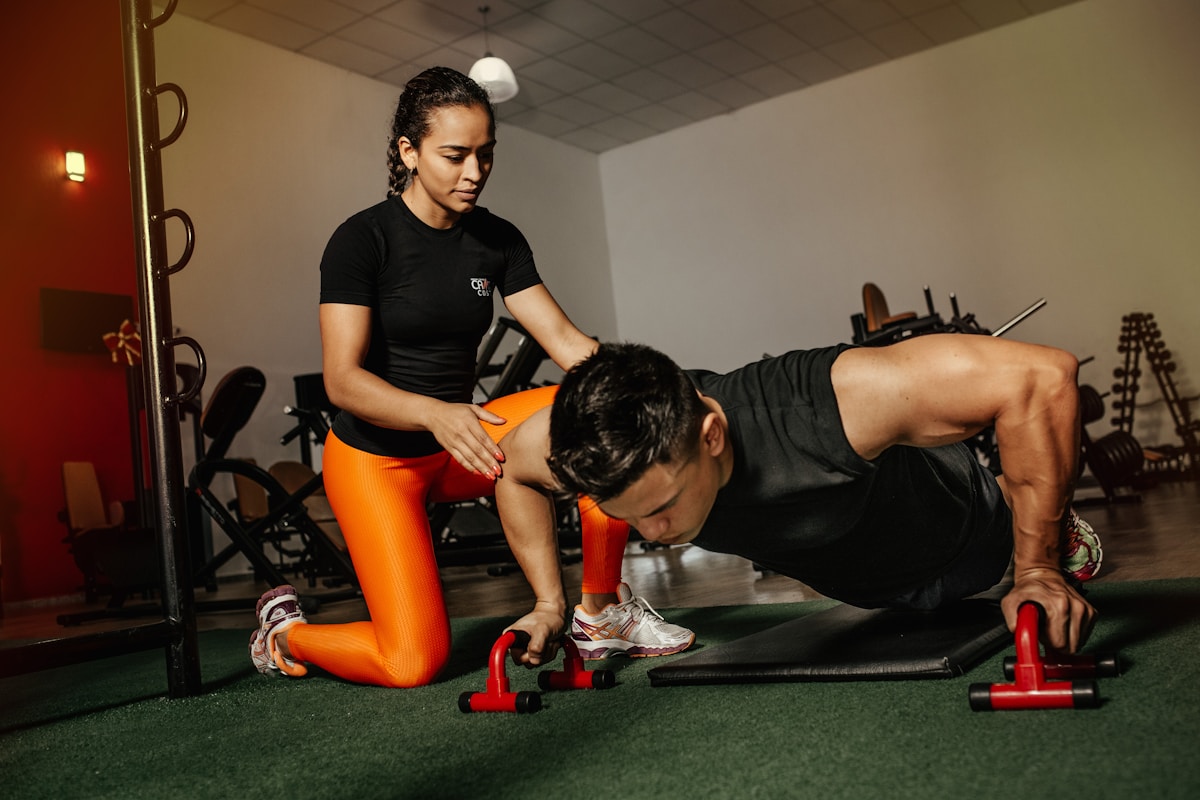
The Relationship Between Pelvic Correction and Exercise Tolerance
An often-unappreciated benefit of pelvic alignment correction is its effect on exercise tolerance and performance. When the pelvis is unlevel or rotated, the mechanical efficiency of walking, running, and resistance exercise is reduced — because the force transfer from the lower limbs through the pelvis and into the spine is asymmetric.
Correcting pelvic alignment can produce noticeable improvements in athletic performance, gait efficiency, and resistance exercise mechanics. Athletes and active patients frequently report that previous limitations — asymmetric muscle soreness after running, recurring hip flexor tightness on one side, difficulty achieving symmetric squat depth — improve substantially as pelvic mechanics normalize.
At SPINE-X, we consider exercise performance impacts as part of the full picture of pelvic correction outcomes — and we use the exercise-related clinical signals as additional diagnostic information about the nature of the pelvic imbalance and the progress of its correction.
What Patients Typically Experience
The response to pelvic correction is often among the most dramatic and immediate in structural spine care. Because pelvic obliquity creates constant loading asymmetry — present in every standing and sitting moment of every day — correcting even a few millimeters of pelvic height difference significantly reduces the chronic tissue loading that has been generating the unilateral symptoms.

Frequently Asked Questions
Q: Can a heel lift be used as a first-line treatment?
A heel lift is appropriate when true anatomical leg length discrepancy is identified and confirmed. Applied to a functional discrepancy, it can actually worsen the problem. This is why proper assessment of the cause before prescribing a lift is essential.
Q: How long does it take to see results from pelvic correction?
Many patients notice meaningful symptom reduction within the first 2–4 weeks of targeted pelvic care. Establishing a stable pelvic correction typically takes 2–4 months of consistent care.
Q: Is pelvic unevenness related to scoliosis?
Directly. Pelvic obliquity from any cause creates a functional lumbar scoliosis — a lateral curve that exists as a compensatory response to the unlevel foundation. Correcting the pelvic asymmetry is one of the most effective treatments for reducing a functional lumbar scoliosis.
Q: Can yoga or pilates correct an uneven pelvis?
These modalities can be helpful adjuncts, particularly when focused on hip mobility and pelvic awareness. However, they are less effective for the specific causes of pelvic asymmetry (particularly anatomical leg length discrepancy and SI joint fixation) that require targeted clinical intervention.
Conclusion
An uneven pelvis is a solvable structural problem — when the correct cause is identified and specifically addressed. At SPINE-X, we invest in the accurate assessment that makes this identification possible, and we deliver the targeted correction that produces the most reliable and lasting relief from the unilateral symptoms that an unlevel spinal foundation generates.
Why One Side Always Hurts and the Other Doesn't
The clinical phenomenon of consistent unilateral pain — always the right side, always the left side, regardless of activity — is one of the most reliable indicators of structural asymmetry. Symmetric structural problems tend to produce bilateral or alternating symptoms. Consistent unilateral symptoms are the signature of an asymmetric structural foundation, which is exactly what an uneven pelvis creates.
The asymmetric loading created by pelvic obliquity is not random. It systematically overloads the structures on the side of the concave lumbar curve — the facet joints, the disc margin, the paraspinal muscles — while relatively unloading the convex side. The pain follows this loading pattern reliably.
This systematic nature of the pain — predictable location, predictable triggers, predictable relief positions — is diagnostically valuable. When a patient describes pain that is always on the same side, always at the same location, and always responds consistently to the same postural changes, the probability of a structural asymmetric cause (most commonly an uneven pelvis) is high.
Treating this pain without identifying and correcting the asymmetric structural foundation is what produces the treatment failure pattern of "it gets better but always comes back" that so many uneven pelvis patients experience before reaching a structural evaluation.
At SPINE-X, we take the one-sided pain history seriously as a structural signal — and we assess the pelvic foundation that is most likely generating it.
Related Reading
- Uneven Pelvis: Why One Side Always Hurts More
- Pelvic Alignment: Why Your Pelvis Controls Everything Above It
- Scoliosis in Adults: What You Can (and Can't) Change
Is Your Spine Contributing to Your Symptoms?
Reading about structural problems is one thing — knowing what is actually happening in your spine is another.
Dr. Joy offers a personal Diagnostic Report — send 4 posture photos, and receive a detailed written analysis of your structural findings, postural deviations, and a personalized exercise and correction plan. All delivered as a PDF within 48 hours.
- Postural deviation analysis (anterior, posterior, lateral views)
- Structural findings: curvature, head position, pelvic levelness
- Personalized correction and exercise recommendations
- PDF report you can reference at home
$40 · Remote · Results in 48 hours
Reviewed by Dr. Ji Young Lim, D.C. — 13+ years clinical experience in structural chiropractic