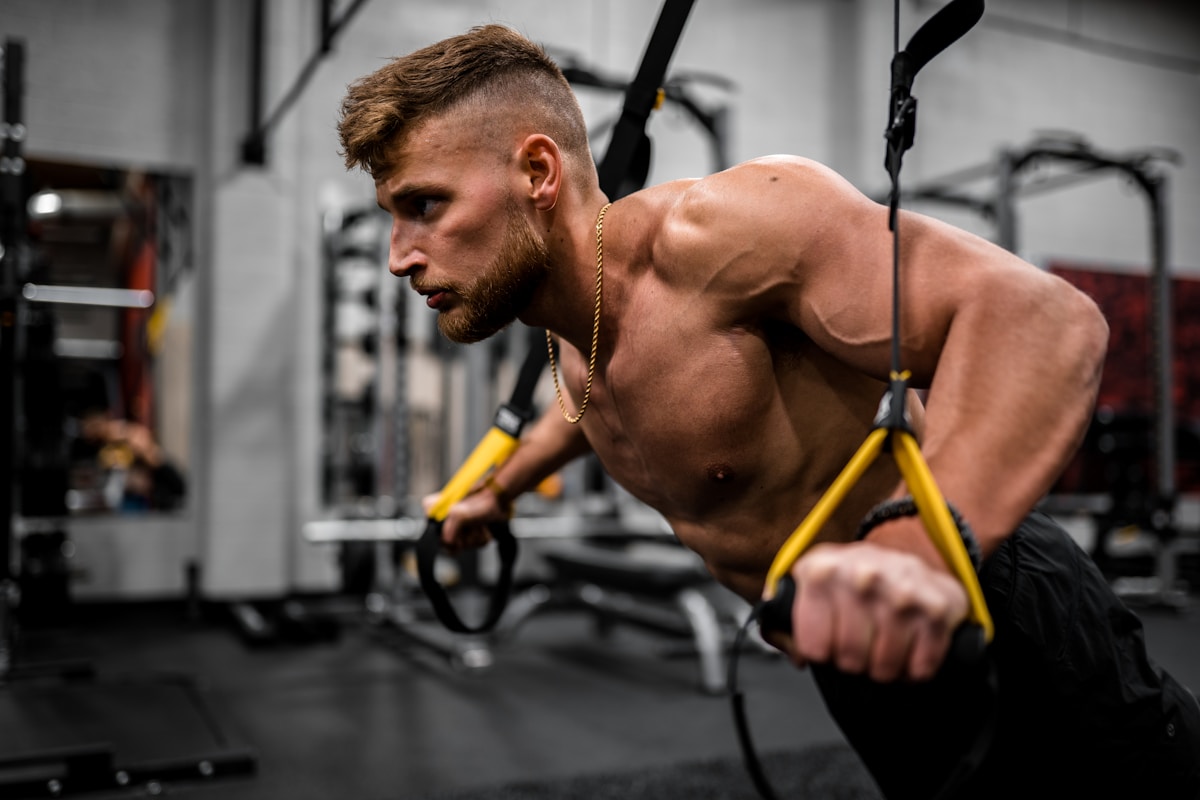
The SPINE-X Approach to rounded shoulders
Rounded shoulders — the protracted, internally rotated shoulder position that has become almost universal in screen-dependent adults — is one of the postural problems we address most frequently at SPINE-X. It is visible, it is functionally limiting, and in its association with shoulder impingement, rotator cuff damage, neck pain, and breathing dysfunction, it is clinically significant.
Our approach addresses rounded shoulders from the foundation up — starting with the thoracic spine, not the shoulder joint — because without addressing the structural basis, shoulder correction is not sustainable.
Our Assessment of Rounded Shoulders
Rounded shoulder presentation involves multiple structural components that we assess systematically:
Thoracic kyphosis angle: Measured from lateral postural photographs, this is the primary structural driver of rounded shoulder position. A thoracic kyphosis above normal range physically carries the shoulder blades forward around the rounded rib cage — making scapular retraction mechanically impossible without first correcting the underlying thoracic structure.
Scapular position assessment: We measure the horizontal distance from the spine to the medial border of each scapula (normally 3 finger-widths, or approximately 5–7 cm). In rounded shoulders, this distance increases as the scapulae move laterally and anteriorly.
Glenohumeral rotation assessment: Passive internal and external rotation range is measured. Loss of external rotation indicates posterior capsule tightness and internal rotation contracture — common in chronic rounded shoulder posture.
Thoracic segment mobility: Individual thoracic segments are assessed for mobility, particularly extension. Restricted segments are identified and become primary targets for mobilization.
Muscle length and activation testing: Pectoralis minor length, lower trapezius activation, and serratus anterior function are specifically assessed, as these are the most critical muscle factors in scapular position.

The Treatment Protocol
Thoracic Mobilization First
The most important — and most commonly skipped — component of rounded shoulder treatment is thoracic extension restoration.
We work segment by segment through the upper and mid-thoracic spine, using specific mobilization and manipulation techniques to restore extension mobility to restricted segments. This is not generic "mid-back cracking" — it is targeted restoration of extension mobility at specific levels identified as restricted in the examination.
Most patients notice an immediate improvement in their ability to draw the shoulders back after thoracic mobilization — because the mechanical obstacle to retraction (the rigid kyphosis) has been reduced.
Anterior Soft Tissue Release
The pectoralis minor — a small but powerful muscle connecting the coracoid process of the shoulder blade to the 3rd, 4th, and 5th ribs — is the most important anterior structure in maintaining rounded shoulder position. When the pectoralis minor is tight, it pulls the coracoid process anteriorly and inferiorly, tilting the scapula forward regardless of how much scapular retraction the posterior muscles attempt.
We address pectoralis minor specifically through direct soft tissue therapy and targeted stretching — not generic chest stretching, which often misses the pectoralis minor's specific stretch position.
The pectoralis major and anterior deltoid are addressed concurrently.
Scapular Stabilizer Activation
Once the thoracic spine is more mobile and the anterior structures have been released, the inhibited scapular stabilizers can be effectively trained.
We prioritize:
- Lower trapezius: The primary scapular depressor and retractor, which is essentially universally inhibited in rounded shoulder patients
- Serratus anterior: Controls the rotation of the scapula around the rib cage during elevation, allowing full overhead reach
- Rhomboids: Assist retraction, but are typically overstretched rather than short, meaning they need activation rather than stretching
These muscles are trained through specific exercises that are carefully selected to recruit the target muscles without triggering the dominant compensatory patterns (upper trapezius, anterior deltoid) that perpetuate the rounded shoulder position.
Glenohumeral External Rotation Restoration
We address internal rotation restriction at the glenohumeral joint through specific posterior capsule stretching and joint mobilization, restoring the external rotation range needed for optimal shoulder mechanics during overhead activities.
Load Progression
As the structural correction and muscle balance improve, we progressively load the shoulder in compound functional movements — pushing, pulling, overhead reach — ensuring that the corrected shoulder mechanics are maintained under increasing demands.
Associated Conditions We Address
Rounded shoulders are rarely an isolated finding, and our treatment addresses the full constellation:
Shoulder impingement: As shoulder posture improves and subacromial space is restored, impingement symptoms typically reduce. For cases with confirmed rotator cuff pathology, we work in coordination with orthopedic management where needed.
Neck and upper back tension: The upper trapezius and levator scapulae — chronically overloaded in rounded shoulder posture — are specifically addressed through soft tissue work and load redistribution as scapular mechanics improve.
Breathing function: As thoracic extension improves and the shoulder girdle decompresses, rib cage expansion improves, facilitating better diaphragmatic breathing patterns.

Frequently Asked Questions
Q: Will I need to strengthen my rhomboids?
The rhomboids are often targeted in rounded shoulder programs — but they are typically overstretched and inhibited, not shortened and tight. Generic rhomboid strengthening without first releasing the anterior structures and restoring thoracic extension is often futile. We address the rhomboids as part of a comprehensive program, not as the sole target.
Q: Can rounded shoulders be corrected without professional treatment?
Mild cases with good thoracic mobility and predominantly muscular imbalance can see meaningful improvement with consistent self-care: daily thoracic extension work, pectoralis minor stretching, and targeted lower trapezius activation. Significant thoracic kyphosis, chronic shoulder pain, or shoulder joint pathology typically requires professional assessment and targeted care for optimal outcomes.
Q: How long does shoulder correction take?
Visible improvement in shoulder position typically occurs within 4–8 weeks with consistent care. Stable structural correction with normalized thoracic mobility and balanced muscle function usually takes 3–5 months. Maintenance exercises are ongoing but become less time-intensive as the corrections stabilize.
Q: My shoulder clicks when I move it. Is that a problem?
Shoulder clicking (crepitus) during movement is common and often benign — typically reflecting the tendons and fluid in the joint during movement. Clicking that is painful, that occurs at the same point in a specific movement, or that is accompanied by weakness or locking warrants evaluation, as it can indicate structural issues (labral pathology, impingement).
Conclusion
Rounded shoulders respond well to structural correction when the treatment protocol addresses the actual causes — thoracic spine, anterior soft tissue, and scapular mechanics — rather than just the symptom. At SPINE-X, we work through this sequence systematically, producing improvements in both shoulder appearance and function that are structural, not just postural performance.

The Connection Between Shoulder Position and Breathing
An often-overlooked consequence of rounded shoulders that resolves with structural correction is breathing quality. The rounded shoulder position is inseparable from thoracic kyphosis, and thoracic kyphosis directly limits the rib cage expansion that underlies full, diaphragmatic breathing.
In the rounded shoulder posture, the rib cage is in a mechanically constrained position — the anterior ribs are depressed and the posterior ribs are elevated, reducing the capacity for the lateral and posterior chest wall expansion that characterizes healthy diaphragmatic breathing. This forces greater reliance on accessory breathing muscles (the scalenes and sternocleidomastoid at the front of the neck), producing the shallow, upper-chest breathing pattern that is characteristic of chronic stress and anxiety states.
As thoracic extension is restored during rounded shoulder correction, patients often spontaneously notice improvements in breathing depth and ease. Some report that the first breath they take after a thoracic adjustment feels markedly fuller than before — because the mechanical obstruction to rib expansion has been temporarily reduced.
This breathing improvement is not just a comfort bonus — it has functional implications for exercise tolerance, cardiovascular efficiency, and the regulation of the autonomic nervous system.
At SPINE-X, we address rounded shoulders with full awareness of these systemic connections — because correcting the shoulder position means correcting the thoracic foundation, and a more open thorax is a foundation for better function across multiple body systems.
Building the Corrected Shoulder Into Daily Life
The final and often most neglected phase of rounded shoulder correction is integration: building the corrected shoulder mechanics into the activities of daily life so that the correction is present during everything the patient does, not just during treatment and exercise.
This integration work is specific to each patient's activities. For someone who does overhead reaching regularly, we work through the overhead mechanics with the corrected shoulder position. For someone who does resistance training, we review the pressing and pulling patterns to ensure they reinforce rather than undermine the structural correction. For someone whose primary demand is sustained desk work, we optimize the workstation ergonomics to support the corrected shoulder position during the hours of daily screen use.
Without this integration, corrections made in the clinic and reinforced during therapeutic exercise can be progressively undone by hours of daily activity that loads the shoulder back toward the habitual rounded position. With specific integration work, the corrected mechanics become the default for all activities — the structural change becomes genuinely functional.
At SPINE-X, we consider the daily activity integration as part of the correction program — not a supplement to it. The goal is a corrected shoulder that is corrected in real life, not just on the examination table.
Related Reading
- Rounded Shoulders: Why Pulling Them Back Doesn't Work
- Forward Head Posture: The Modern Epidemic Nobody Is Fixing Correctly
- Pelvic Alignment: Why Your Pelvis Controls Everything Above It
Is Your Spine Contributing to Your Symptoms?
Reading about structural problems is one thing — knowing what is actually happening in your spine is another.
Dr. Joy offers a personal Diagnostic Report — send 4 posture photos, and receive a detailed written analysis of your structural findings, postural deviations, and a personalized exercise and correction plan. All delivered as a PDF within 48 hours.
- Postural deviation analysis (anterior, posterior, lateral views)
- Structural findings: curvature, head position, pelvic levelness
- Personalized correction and exercise recommendations
- PDF report you can reference at home
$40 · Remote · Results in 48 hours
Reviewed by Dr. Ji Young Lim, D.C. — 13+ years clinical experience in structural chiropractic